How Does Hem Beer Equipment Support Brewery Expansion Plans?
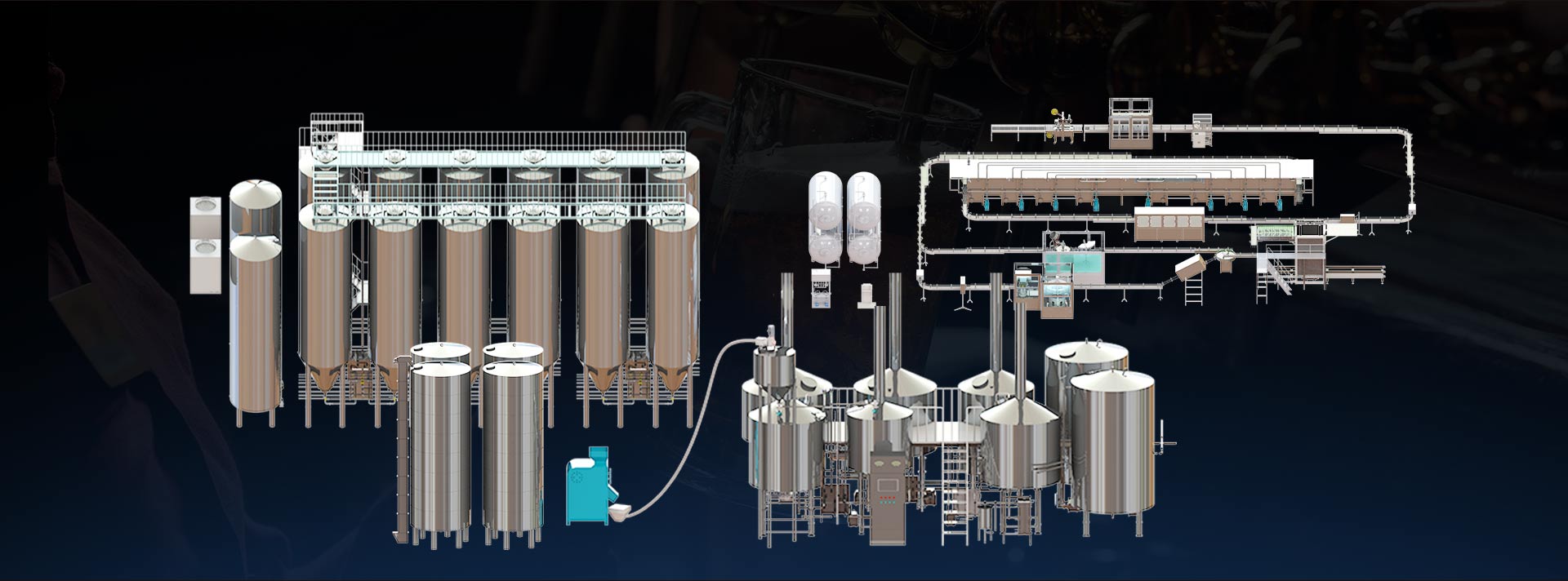
Hem Beer Equipment supports brewery expansion plans by providing scalable brewing systems, customized tank configurations, and production layouts designed for capacity growth. A brewery expanding from 1,000L to 10,000L batches can use modular equipment upgrades, automated controls, and stainless-steel fermentation systems to increase output while maintaining consistent quality. Systems with larger brewhouses, optimized CIP cleaning, and temperature control can reduce labor time by 20%–40% and improve production scheduling.
Brewery expansion depends on whether the production system can grow with market demand. Many craft breweries begin with 500L–2,000L systems and later move toward 5,000L, 10,000L, or larger production volumes. A 2024 expansion project from a regional brewery showed that adding larger fermentation capacity and upgraded production equipment can significantly increase annual output without requiring a completely new facility.
“A brewery equipment system should be planned around the next 3–5 years of production targets, not only current sales volume.”
hem beer equipment provides brewing systems designed around different expansion stages, including brewhouses, fermentation tanks, bright beer tanks, CIP systems, and automated control options. A modular equipment structure allows breweries to add tanks or upgrade production sections as demand increases instead of replacing the entire system after several years.
| Brewery Stage | Common Production Range | Equipment Expansion Focus |
|---|---|---|
| Small craft brewery | 500L–2,000L batches | Fermentation tanks, brewhouse upgrades |
| Growing brewery | 3,000L–10,000L batches | Larger vessels, automation, packaging support |
| Regional producer | 20,000L+ batches | Complete production line optimization |
The equipment selection process affects future production capacity because each brewing section has a different output limit. A brewhouse that produces 2,000L per batch cannot support a fermentation area designed for 20,000L without creating delays. Many breweries maintain fermentation capacity at 2–3 times the brewhouse volume to allow continuous production cycles and multiple beer styles.
The fermentation area usually receives the first major upgrade during brewery growth because tanks determine how much beer can mature at the same time. A brewery producing 100 barrels per week may require several additional fermenters rather than only increasing brewhouse size.
“Adding fermentation capacity can increase weekly output without changing the brewing schedule.”
Stainless-steel fermentation tanks are widely used because they support repeated cleaning cycles, temperature control, and long service periods. Food-grade stainless steel such as 304 or 316L provides corrosion resistance and is commonly selected for brewery applications. A properly designed tank system can operate for more than 10 years when maintained correctly, reducing replacement frequency.
A brewery expansion also requires better space planning. Increasing production from 2,000L to 10,000L often requires changes in tank placement, pipe routes, cooling systems, and worker movement areas. Equipment suppliers usually evaluate available floor space, ceiling height, drainage location, utility access, and future tank positions before final installation.
For example:
- A 500㎡ facility may support a compact craft production setup.
- A 1,000㎡–2,000㎡ facility allows separate brewing, fermentation, packaging, and storage areas.
- Larger facilities often reserve additional space for future tanks, allowing capacity increases of 30%–50% without major construction changes.
The layout design influences daily production efficiency because unnecessary movement between brewing stages increases labor requirements. A well-organized production area reduces transfer distance, improves cleaning access, and helps operators manage larger volumes.
Automation becomes more important as production increases because manual control becomes harder to maintain across multiple tanks. Temperature differences of only 1°C–2°C during fermentation can affect yeast performance and final beer characteristics.
Modern brewery systems commonly use:
- Digital temperature controllers
- Automated valve systems
- Programmable cleaning cycles
- Pressure monitoring
- Data recording systems
A brewery producing 10 batches per month may manage manually, but a facility producing 50–100 batches monthly usually benefits from automated controls. Research into brewing automation and energy management has shown that improved process control can reduce resource use while maintaining production stability.
“Automation does not replace brewing knowledge; it helps brewers repeat successful production conditions at larger volumes.”
Cleaning efficiency becomes another important factor when breweries expand. More tanks mean more cleaning cycles, more water usage, and more sanitation requirements. CIP systems allow breweries to clean tanks and pipelines without removing equipment parts manually.
A typical CIP process includes:
| Cleaning Stage | Purpose |
|---|---|
| Water rinse | Removes remaining beer residue |
| Alkaline cleaning | Removes organic materials |
| Acid cleaning | Controls mineral deposits |
| Sanitizing cycle | Prepares equipment for production |
A brewery adding 10 fermentation tanks may increase cleaning frequency by 50%–100%, depending on production schedules. Automated CIP systems help reduce labor hours and create consistent sanitation procedures.
Energy management also becomes important during expansion because larger brewing systems require more heating and cooling capacity. Brewing operations use significant electricity and thermal energy for wort boiling, refrigeration, and fermentation temperature control. A 2024 study analyzing 239 breweries found that energy flexibility programs could reduce electricity costs by around 1.56% while maintaining operational requirements.
Equipment design affects energy consumption through:
- Tank insulation quality
- Heat recovery systems
- Efficient steam usage
- Cooling system selection
A brewery expanding production from 5,000L to 20,000L per week may need upgraded chillers and glycol systems because fermentation temperature stability becomes harder to maintain at larger volumes.
Packaging capacity should also match brewing expansion. Increasing beer production without improving filling and packaging systems can create production delays. Breweries often upgrade:
- Keg filling equipment
- Bottle or can filling machines
- Labeling systems
- Storage areas
For example, increasing annual production by 100% requires enough packaging capacity to move finished beer from tanks to customers without extended storage periods.
Supplier support is another factor during expansion projects. Brewery equipment installation requires engineering planning, equipment testing, operator training, and after-sales support. A brewery investing in a 10,000L system may operate the equipment for many years, so technical support availability affects long-term performance.
“Expansion projects succeed when equipment capacity, facility design, and production planning develop together.”
Hem Beer Equipment helps breweries choose systems based on current production volume and future targets. Equipment configurations can include additional fermentation tanks, larger brewhouses, improved automation, and customized layouts for different facility sizes.
A brewery expansion project is usually measured by more than tank volume. Production consistency, operating cost, maintenance requirements, and future upgrade options all affect whether the system can support long-term growth. With scalable brewing equipment, breweries can increase output, maintain product quality, and adjust production capacity as market demand changes.